FAMILY DOG
Choosing a family pet checklist: best breeds for allergy? For kids or seniors? Toy breed or guard dog, high energy or laid-back? Free, professional advice from the world's FIRST public website!! |
|
FAMILY DOG
Choosing a family pet checklist: best breeds for allergy? For kids or seniors? Toy breed or guard dog, high energy or laid-back? Free, professional advice from the world's FIRST public website!! |
|
|
|
PET RULE OF THREESby Barbara "BJ" Andrews, Publisher TheDogPlace.org, SAAB Member
New puppy owner or seasoned breeder, you will be enlightened by this information on the critical stages of canine comprehension and development.
When you get a new dog, whether puppy or adult, the first three days should be calm and quiet as the dog adjusts to and explores the new surroundings. Don’t force yourself on him or her. Let the dog come to you. It may be to sniff (inspect) you or if socialized, for a treat or quick back-scratch.
More on meaningful petting and socialization but first an important do-not. Do not pressure or chase him! That teaches the dog to avoid or even run from you. Call him and when he at least looks at you, reward him with a meat-treat. That can be a little piece of left-over chicken, fish, beef, something not too messy because if he is still ignoring you, you may have to toss it to him.
While he is “digesting” the miracle that just happened, let him see you walk away with another meat-treat. Odds are good that the puppy will follow you. Go a few steps and give him a tiny nibble of the meat – don’t use a “dog biscuit” which is grain, something carnivores only get from the stomach of their prey… The key here is MEAT (and an instinctive reaction.)
Do not overdo the call-reward-treat routine. 3 times a day is effective, more is boring.
Decide on the words and tone of voice you will use to call your dog and stick with it. Use the same phrase and voice at his meal-time. While the first three weeks are critical for bonding and informal training, the next three months are equally important for continued socialization and regular training.
Puppy should have had his third vaccines before taking him out to a dog-park or training class. Exposing your puppy to potentially contagious pets prior to 3 months and his last booster shot is risky.
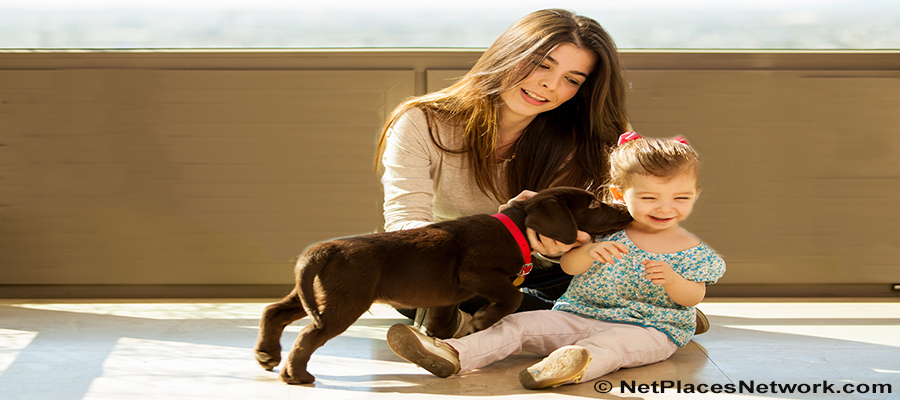
Another interesting thing about the rule of threes, if you delight in deluging your child with toys, wake up! Rutgers University {Ref #1} found “When given the choice, toddlers between one and three years old will spend more time interacting with live animals than with inanimate toys.” While that is true, children just learning to walk can be dangerous to small dogs so supervise and educate.
Rutgers also notes that “A child who learns to care for an animal, and treat it kindly and patiently, may get invaluable training in learning to treat people the same way.”
The catch to be stressed is wait until your child can understand words. Then you can begin to teach him or her basic rules such as how to interact with living things - like not trying to throw them. 3 months or 3 years, puppy or child, the rule of threes applies to both.
Reference Information {#1} Rutgers University, American Academy of Child and Adolescent Psychiatry TheDogPlace.org EST 1998 © Feb 2025 https://www.thedogplace.org/Family-Dog/pet-rule-of-threes-b25A021.asp SSI
SSI Advertising ~ Disclaimer ~ Mission ~ Privacy
ii NetPlacesNetwork ~ ii Health Disclaimer
Brought to you by the NetPlaces Network
TheDogPlace.org, world’s 1st public website, 1st online dog news, TheDogPress.com, and TheJudgesPlace.com, 1st AKC dog judges site
|