CANINE GENETICS
The internet's first information on the importance of canine diet and environment when performing health tests and genetic screenings. |
|
CANINE GENETICS
The internet's first information on the importance of canine diet and environment when performing health tests and genetic screenings. |
|
|
|
GENETIC ANIMAL ODDITIESby Barbara "BJ" Andrews, Member SAAB
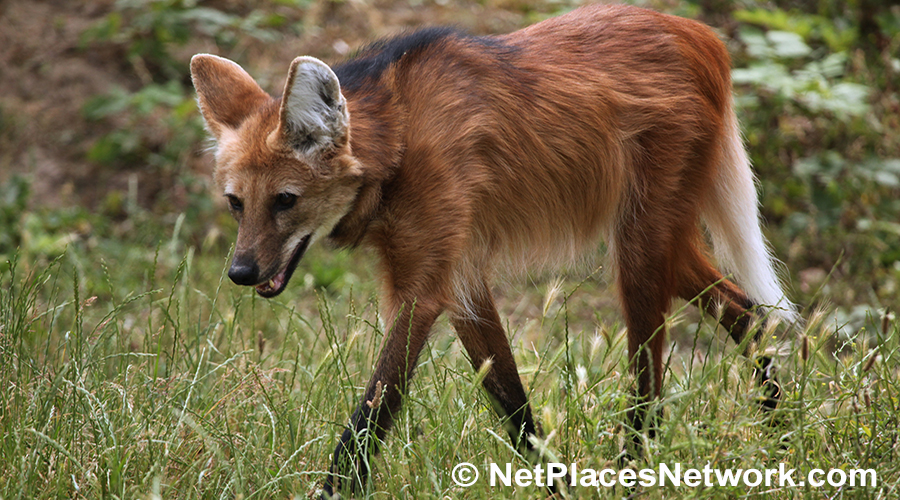
What carnivore has a mane like a horse, is taller than a Great Dane and is neither wolf nor dog but is actually its own weird species?
The answer is the unique Maned Wolf, a member of the Canidae {Ref #1} family which includes wolves, foxes and other canids but the Maned Wolf is the only member of its genus, Chrysocyon. Ref #2
The maned wolf is the largest canid in South America and its American cousin (the gray wolf, Canis lupus) is the largest canid species in North America. At over 160 pounds, they are members of the Canidae family which includes dogs, foxes and coyotes.
As an aside, because I know you are wondering, Guinness World Records says an Old English Mastiff named Aicama Zorba of La-Susa, is the longest and heaviest dog ever recorded. Owned by Chris Eraclides in London England, in 1987 Zorba weighed 343 pounds and measured 8 feet, 3 inches from nose to tail.
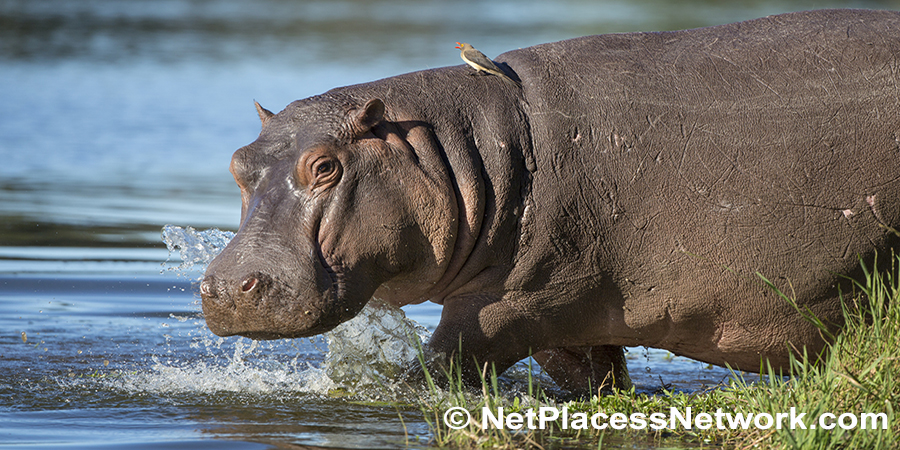
What about other weird but interesting animal oddities. For example, does a hippo have hair? Do whales get sunburned? Does a porpoise breathe air?
You remembered whales and porpoises are mammals so of course they need oxygen but you didn’t associate them with sunburn until your brain smiled and reminded you that as animals they need to come to the surface to breathe air and soak up sun.
Mariners would add that as highly intelligent as they are, ocean mammals are avidly curious about “what’s going on up there” and probably lose track of time just like we do when having fun.
Oceanographers are a bit more professional, stating that whales and porpoises hang out topside to tan their skin for protection against UV radiation. If you find that weird, consider that just like us, ocean mammals have proteins that repair DNA damage caused by the sun. Nature is incredibly foresighted and many scientists would point out that all life on earth came from the sea.
Whatever… Whether mammals came from the sea or not, life is still evolving and no one knows but a reasonable researcher would just nod, noting that all mammals seek the sun but here’s something pretty amazing.
The hippopotamus secretes a brownish fluid that protects their skin and absorbs ultraviolet light so they don’t get sunburned. Your brain had to work for a second but then you remembered that many scientist say the ancestors of whales and dolphins evolved from land-dwelling mammals.
It is thought that the early cetacean Pakicetus {Ref #3}, were four-legged land creatures that lived near water. They must have decided that life IN the water was better because after a few million years, they evolved into the marine mammals we know today. Some scientists still argue about where and how life on earth began.
The takeaway is that the maned wolf may not be as odd or unusual as we thought!
Reference Article Information: {1} Canidae ~ {2} Chrysocyon ~ cetacean Pakicetus TheDogPlace.org EST 1998 © Aug 2025 https://www.thedogplace.org/Genetics/Genetic-Animal-Oddities-b25A082.asp SSI
SSI Advertising ~ Disclaimer ~ Mission ~ Privacy
ii NetPlacesNetwork ~ ii Health Disclaimer
Brought to you by the NetPlaces Network
TheDogPlace.org, world’s 1st public website, 1st online dog news, TheDogPress.com, and TheJudgesPlace.com, 1st AKC dog judges site
|